🗓 Released May 26, 2026
🔁
Cycle Advice
BuyFirst-generation product — no historical cycle data to predict a successor
💰
Deals Advice
neutralNo upcoming deals on the radar
First-generation product — no historical cycle data to predict a successor
No upcoming deals on the radar
Optical HR sensor polls at 0.5 Hz — a manufacturer-published figure. Higher Hz means more frequent readings during intense activity.
Health-focused users who want passive, 24/7 biometric tracking without a screen on their wrist. Particularly strong for those drawn to WHOOP but put off by the subscription model — the Fitbit Air delivers comparable core health data for $99 outright. Works with both iOS and Android.
Key strengths
Unlike WHOOP, there is no mandatory membership — pay $99 once and use Fitbit Air with the free Google Health app. Google Health Premium ($9.99/month) is optional.
Continuous heart rate, SpO2, HRV, and skin temperature tracking plus background FDA-certified AFib detection, in a 12g pebble designed to be worn and forgotten.
A week between charges, with a 5-minute top-up delivering a full day of use — significantly less downtime than WHOOP's slide-on charging system.
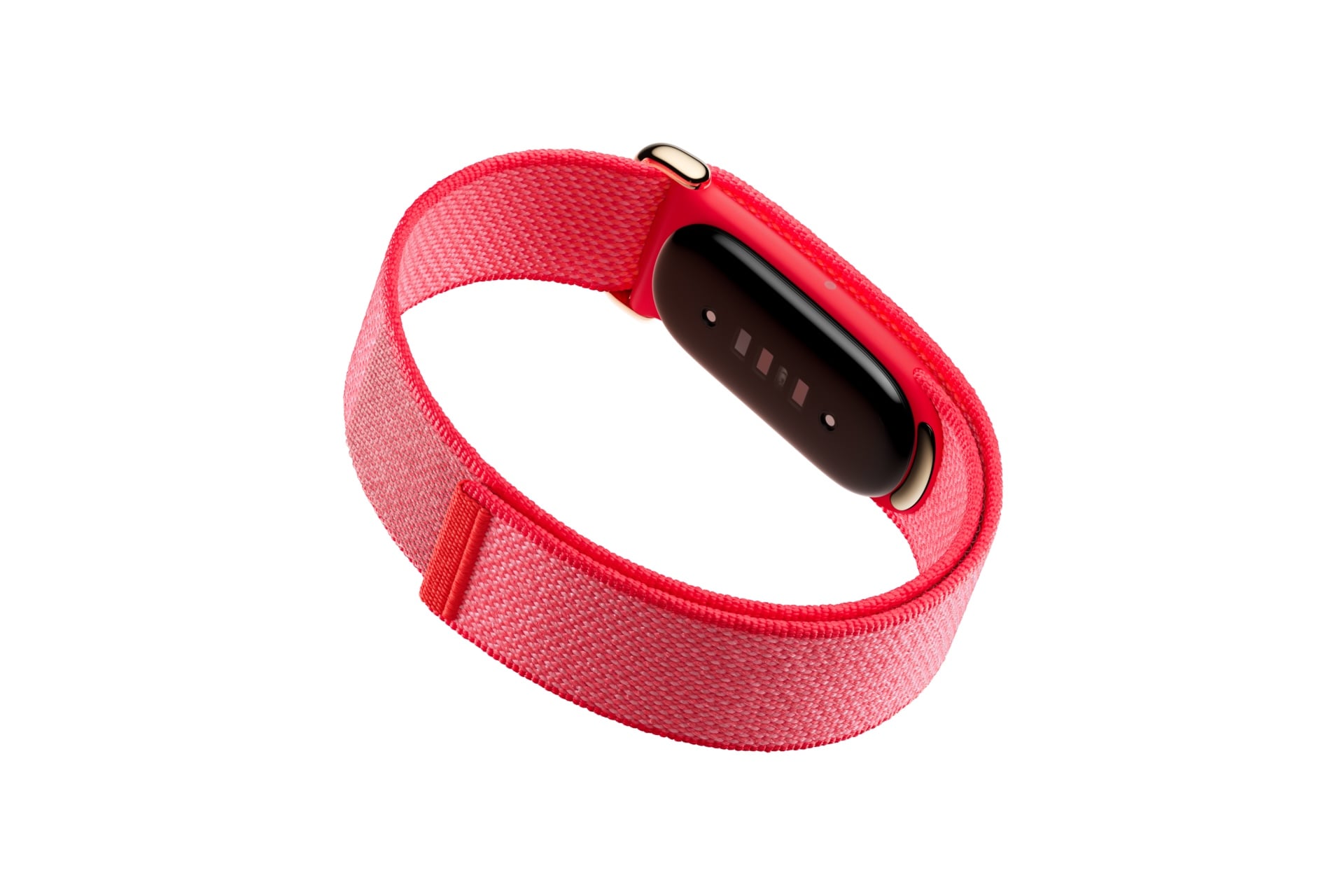
The Google Fitbit Air, launched May 2026, is Google's screenless health tracker and the first direct WHOOP competitor from a major platform. A tiny pebble-shaped sensor clips into interchangeable bands and delivers 24/7 heart rate, SpO2, HRV, skin temperature, and background AFib detection — all without a display. At $99 with no mandatory subscription, it undercuts WHOOP significantly and works with both Android and iPhone via the Google Health app.
No — the Fitbit Air costs $99 outright with no mandatory subscription. Core health tracking works with the free Google Health app. Google Health Premium ($9.99/month or $99/year) is optional, adding advanced sleep analysis, readiness scores, and personalised health programmes.
Fitbit Air wins on price — $99 outright versus WHOOP's ~$239/year membership. It works with both iOS and Android and has 7-day battery. WHOOP offers more detailed recovery coaching, charges while you wear it, and has a larger user community. If you want screenless health data without a subscription, Fitbit Air is the better buy.
No — Fitbit Air has no built-in GPS. Outdoor workouts can use your phone's GPS for route and pace tracking when your phone is nearby. If standalone GPS matters, look at the Fitbit Charge 6 instead.
No — Fitbit Air does not have a manual ECG sensor. It does offer FDA-certified background AFib detection using its optical heart rate sensor, which monitors for irregular heart rhythms passively throughout the day without requiring you to hold your finger on a sensor.
Yes — Fitbit Air supports both iOS (16.4 or later) and Android (11 or later) via the Google Health app. All core health features work on both platforms.
Up to 7 days on a full charge. The fast charging system provides a full day of use from just 5 minutes of charging, and 0–100% takes approximately 90 minutes.